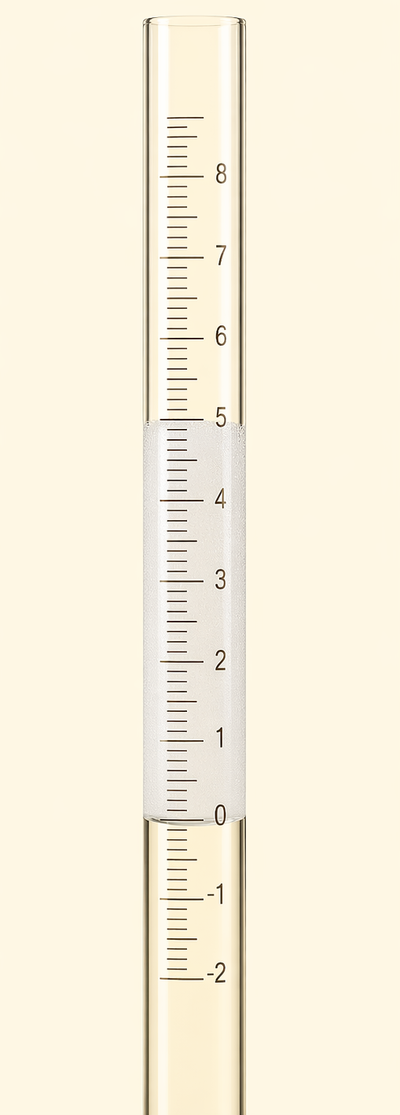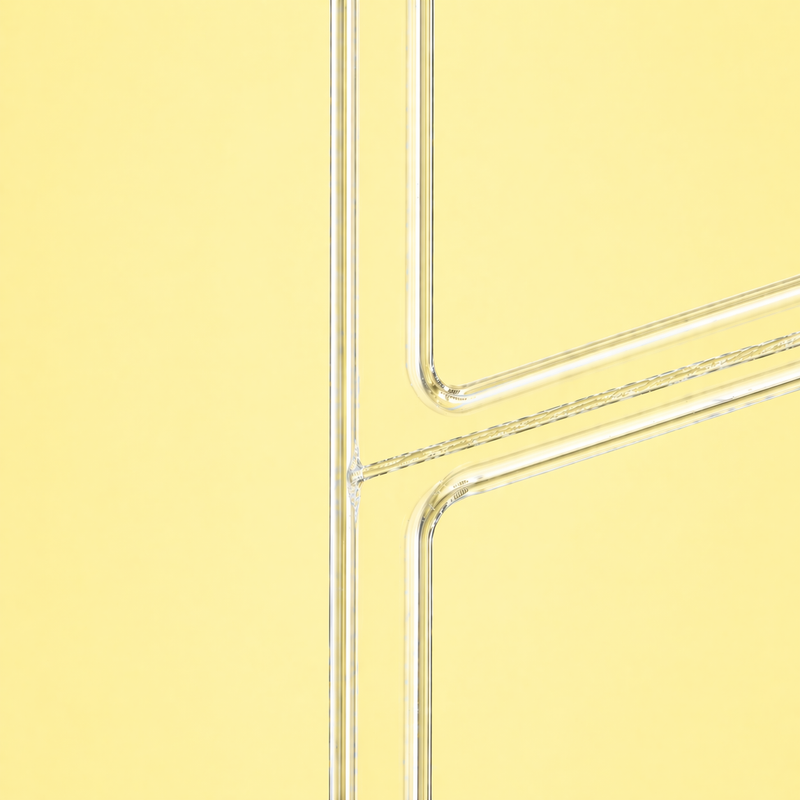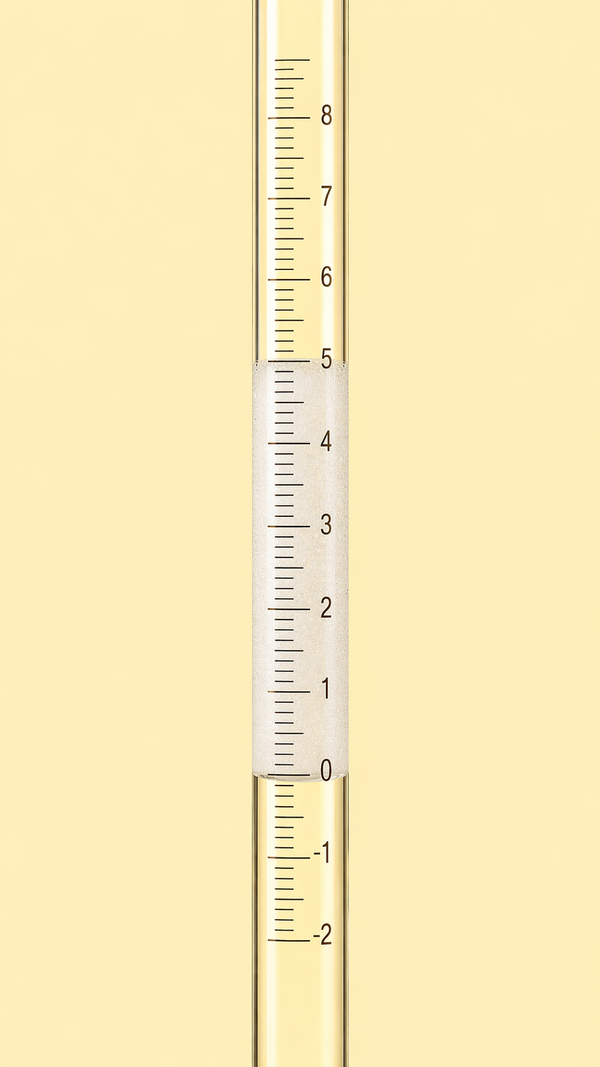
Discover the science behind liquid foam with our state-of-the-art foamability analyzer. Measures foamability and foam drainage while efficiently separating fine and coarse foam.
Current methods introduce variability that slows R&D and compromises quality control.
Inconsistent foam height readings across tests
Results differ between labs and operators
Inaccurate data leads to inefficient formulation cycles
A state-of-the-art foamability analyzer designed for precision and innovation. Measures foamability and foam drainage while efficiently separating fine and coarse foam characteristics across diverse applications.
Segregation of fine and coarse foam
Measure foamability and foam drainage rate in the same apparatus
Controlled liquid flow and impingement
Keeps foam wet during measurement
Reproducible, precise measurements
A high-precision instrument for evaluating foam height, stability, and decay in surfactant systems, built for reproducible, process-related results.
Working Principle: Foam is generated by a liquid stream striking a wetted glass surface. The apparatus uniquely segregates fine foam from coarse foam, measuring both foamability and drainage in one instrument.
Liquid jet on wetted surface
Fine + coarse foam
Measured in ml/min
ml/(ml-foam.min)
Borosilicate Glass
5°C – 50°C
≤ 50 cPs
< 1.1 g/cc
TESFAM® delivers reliable foam analysis across demanding industrial and research environments.
Used in the development and quality control of personal care products, detergents, and food products. Measures the foam generation and stability to ensure consistency and performance of products like shampoos, soaps, and beverages.
Applied in the design and optimization of bioprocesses where foaming can affect cell culture and fermentation. Monitors foam generation and stability to prevent issues in bioreactors and optimize the use of antifoam agents.
Used in evaluating foaming agents for enhanced oil recovery and drilling fluids. Assesses foam stability and effectiveness relevant to oil and gas operations.
Used in wastewater treatment to study and control foam formation during biological and chemical treatments. Evaluates the foam potential of different wastewater streams and the effectiveness of defoaming strategies.
Utilized in the development of new materials, such as foams for insulation or cushioning. Provides information about foam drainage rate which is important in many applications such as fire-fighting foam and other similar applications needing stable foam.
Food processing in aqueous media where foam could be a hindrance. Measures foamability and impact of foam reducing agents.
Foamability as a function of time and foam drainage curves enable comparative surfactant analysis, formulation optimisation, and quality control validation.
Precision across five consecutive runs, validated for lab and production environments.
Foam Volume (ml) vs Time (min)
Range: 0–25 ml / 0–20 min — measures foam generation rate over time
Liquid drained from foam vs Time
Range: 0–4 ml/ml foam / 0–25 min — quantifies foam stability and breakdown
Foam Generation Rate across Runs 1–5
RSD < 5% demonstrates measurement precision across operators and sessions
Ready to Transform Your Foam Analysis? Let's Connect Today.
Developed by Professor S.S. Bhagwat at ICT Mumbai, the TESFAM apparatus is built on decades of rigorous chemical engineering expertise.
ICT is a globally recognized institution advancing core scientific innovation and high-intensity R&D that power this patented methodology.
Adya Innovationz delivers precision-engineered solutions, enabling global R&D centers to convert accurate measurements into reliable, high-performance outcomes.
From measurement to manufacturing: AIPL ensures your data translates into performance.
108-Vikrant Industrial Estate, Govandi, Mumbai – 400 088, Maharashtra, India